- +01 (977) 2599 12
- company@domain.com
- 3146 Koontz Lane, California

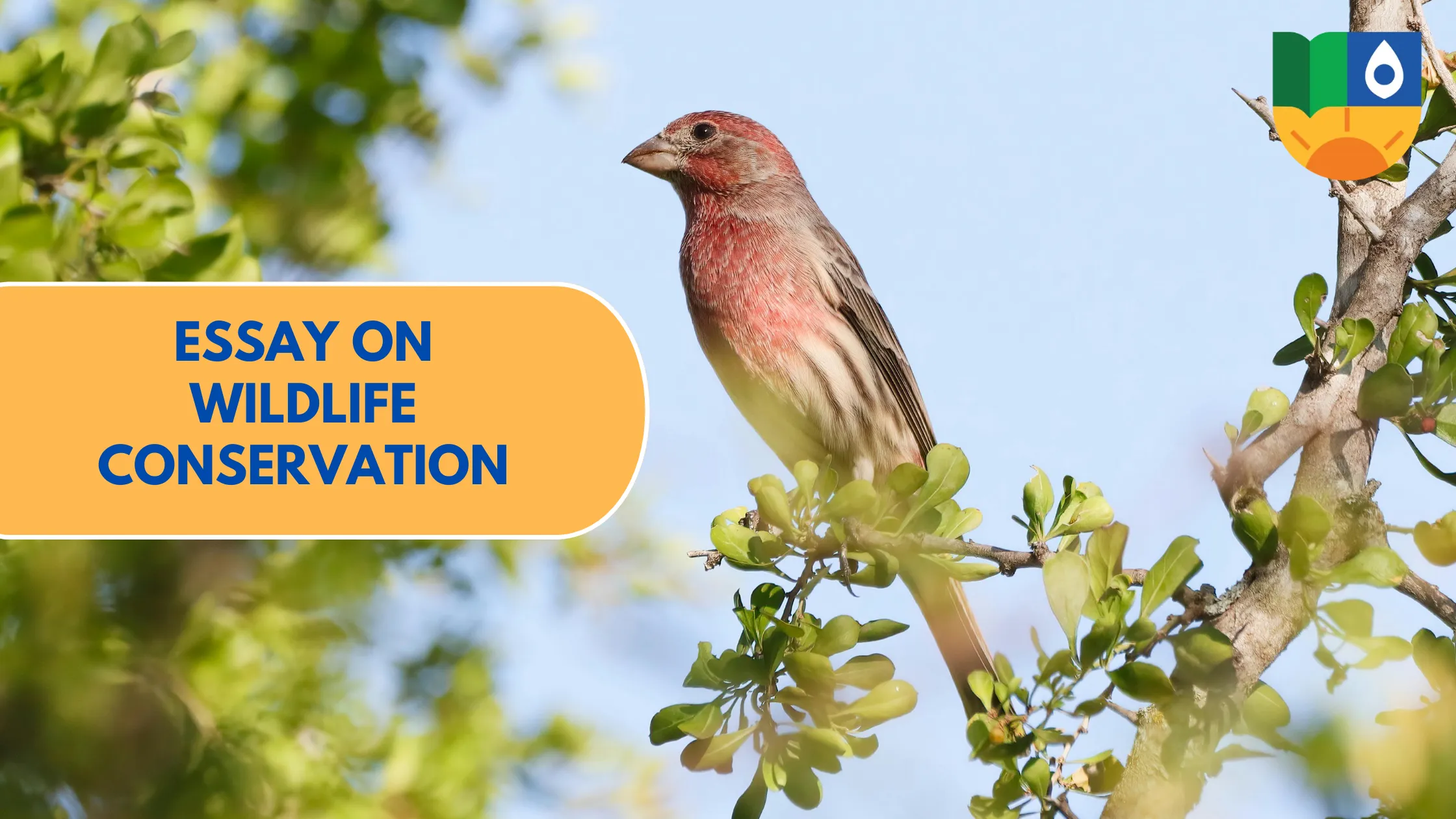
Since the evolution of humans, the land cover of Earth has changed significantly due to human activities. Wildlife refers to animals that live in their natural habitats and are not domesticated by humans. These animals can be found in grasslands, plains, rainforests, deserts, and many other ecosystems. Wildlife plays an important role in maintaining environmental balance and supports many natural processes both directly and indirectly. All living organisms in forests and natural habitats are considered wildlife.
Every living organism has a role in the food chain as a producer, consumer, or decomposer. These roles are interconnected and depend on each other for survival. However, wildlife is increasingly under threat due to human activities. The growing demand for meat has led to excessive hunting, while deforestation has reduced the availability of food and shelter for animals. Natural disasters such as floods and earthquakes also contribute to wildlife destruction.
India is known for its rich diversity of wildlife and is home to a wide variety of animal species. The country’s ecosystems range from the Northern Himalayas to the evergreen forests of the south, the Western Ghats in the west, and the mangrove forests in the east. The tiger, which is the national animal of India, can be found in many regions of the country. To protect such species, several national parks and wildlife sanctuaries have been established.
Wildlife helps maintain ecological balance. In the past, the population of wild animals was much larger. However, activities such as farming, industrial development, and hunting have reduced their numbers significantly. Today, increasing human interference is threatening wildlife even more. Many species have already become extinct, and several others are now endangered. Therefore, it is important to take serious steps toward wildlife conservation.
Deforestation refers to the large-scale cutting of trees for human activities such as agriculture, construction, and industrial development. It is a major environmental issue that leads to soil erosion, loss of biodiversity, disruption of the water cycle, and destruction of natural habitats. Deforestation also contributes significantly to global warming and climate change.
Forests cover about 31% of the Earth’s total land area. Between 2000 and 2012, more than 568 million acres of forest were lost due to deforestation. In 2018 alone, around 9 million acres of tropical forest were cleared. The Amazon rainforest produces about 20% of the world’s oxygen, making it extremely important for the planet. However, forests are continuously shrinking due to human activities.
Construction of roads, pollution, agricultural expansion, and illegal hunting are some of the factors that disturb wildlife habitats. Because of these activities, many wild animals are now at risk of extinction.
Wildlife conservation has become extremely important because many species are rapidly disappearing from Earth. Several global organisations work toward protecting wildlife and preserving natural habitats. In addition, many national agencies and government programs are also involved in conservation efforts.
Wildlife conservation is essential for maintaining a healthy ecosystem. Some important reasons for conserving wildlife include:
Medicinal Value:
Many plants found in forests are used in the production of medicines. Wild plants contribute to a significant portion of pharmaceutical needs and provide opportunities for research and development in medical science.
Maintaining a Healthy Environment:
Wildlife and forests help regulate global temperatures and reduce the effects of climate change. They also play a role in controlling the greenhouse effect and stabilizing environmental conditions.
Maintaining Ecological Balance:
Plants and animals depend on each other for survival. Protecting wildlife ensures that this natural balance is maintained.
Economic Importance:
Forests provide valuable raw materials that contribute to economic growth and improve the standard of living for many communities.
Wildlife can be protected by taking the following measures:
Animals are an important part of our planet and our lives. Unfortunately, some people harm animals for their personal benefit, which puts many species at risk. It is our responsibility to protect wildlife and ensure their safety. By conserving wildlife and protecting natural habitats, we can help maintain the balance of nature and create a healthier environment for future generations.
Q1. How does wildlife imbalance affect human beings?
All species on Earth are interconnected and depend on each other for survival. Humans rely on wildlife and ecosystems for resources such as food, medicine, and environmental balance. When wildlife populations decline, it can disturb the natural ecosystem and negatively affect human life.
Q2. How can students write a 500+ word essay within the given time?
Students should practise writing essays regularly to improve their speed and writing skills. With consistent practice, they can learn to organize their thoughts quickly and complete a 500+ word essay within the given time.
Q3. What types of topics are usually asked in board exam essays?
Essay topics in board exams can come from a wide range of subjects. However, topics related to national importance, social issues, environmental concerns, and equality are often given greater importance.

