
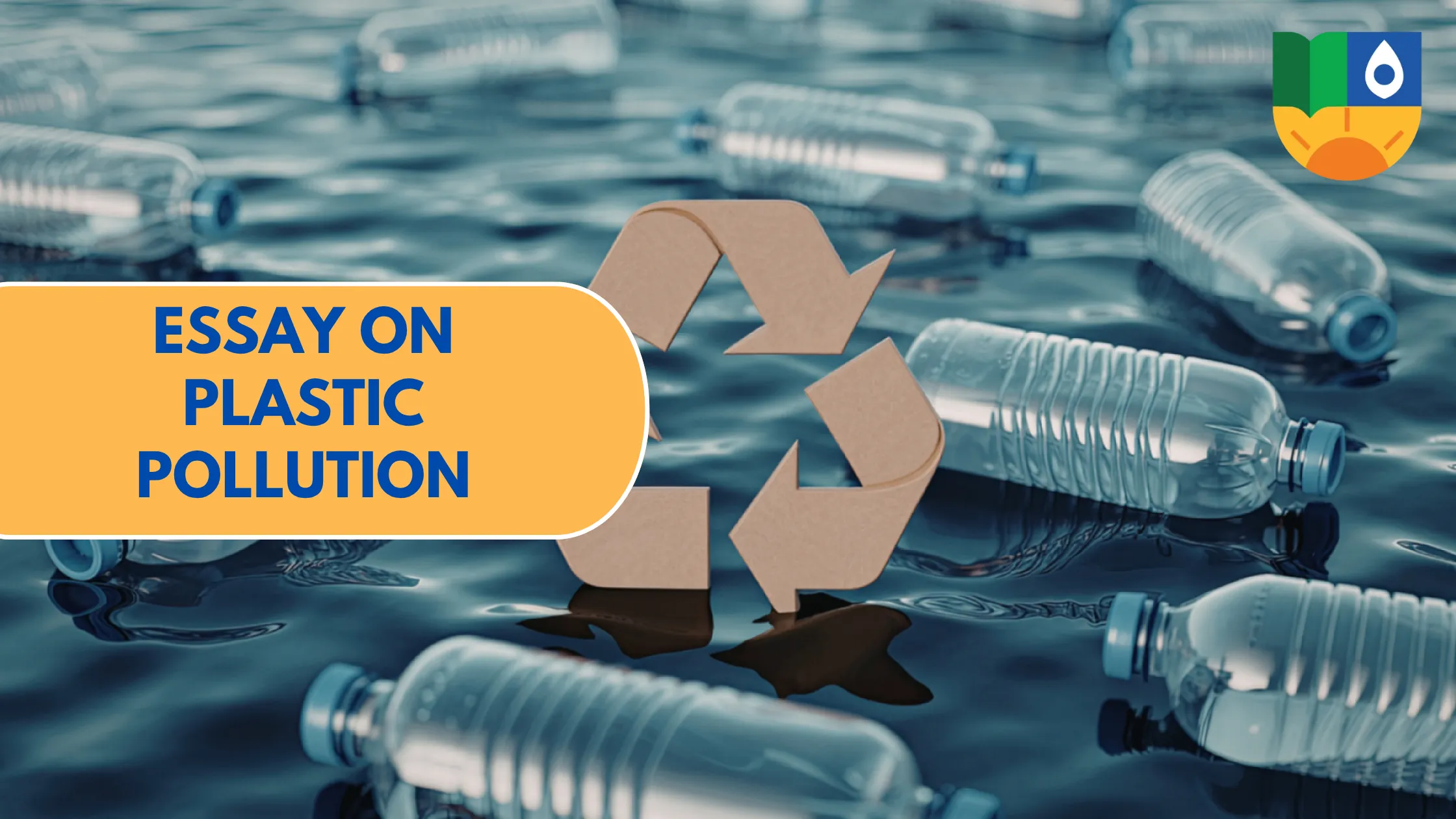
Plastic has become an essential part of modern life. From household items to packaging materials, plastic is used in almost every aspect of our daily routine. We use plastic products such as water bottles, carry bags, food containers, straws, toys, and many other items. While plastic is convenient and affordable, its excessive use has led to a serious environmental problem known as plastic pollution.
Plastic pollution refers to the accumulation of plastic waste in the environment. Since plastic is non-biodegradable, it does not decompose easily. As a result, plastic waste remains in the environment for hundreds of years. This creates serious threats to wildlife, marine life, and human health.
Plastic pollution is mainly caused by excessive use and improper disposal of plastic products. Single-use plastics such as plastic bags, bottles, and packaging materials contribute significantly to plastic waste. People often throw plastic waste carelessly, which leads to pollution in land, water, and air.
Plastic is widely used because it is lightweight, durable, flexible, and inexpensive. Due to these advantages, plastic has replaced many natural materials like paper, glass, and metal. However, the overuse of plastic has resulted in large amounts of waste.
Improper waste management is another major cause of plastic pollution. Many plastic products are not recycled and end up in landfills, rivers, and oceans. This harms the environment and living beings.
Plastic pollution has harmful effects on the environment and human health. Some major impacts include:
Harm to Wildlife and Marine Life
Animals and marine creatures often consume plastic waste, mistaking it for food. This can cause serious health issues and even death.
Environmental Pollution
Plastic waste pollutes land and water bodies. It also blocks drainage systems, leading to waterlogging and flooding.
Health Hazards
Plastic pollution releases harmful chemicals into the environment. These chemicals can affect human health and cause various diseases.
Long Decomposition Time
Plastic takes hundreds of years to decompose. This leads to accumulation of waste in the environment.
Plastic pollution can be reduced by adopting simple habits. One of the best methods is following the 4 R’s:
Refuse
Avoid using single-use plastic items whenever possible.
Reduce
Reduce the use of plastic products in daily life.
Reuse
Reuse plastic items instead of throwing them away.
Recycle
Recycle plastic products to reduce waste and conserve resources.
Apart from these steps, people should also use eco-friendly alternatives such as cloth bags, paper bags, and biodegradable materials. Creating awareness about plastic pollution is also important. When individuals take responsibility and reduce plastic usage, we can protect the environment.
Plastic pollution is one of the major environmental issues faced by the world today. Excessive use of plastic has harmful effects on nature, wildlife, and human health. It is important to reduce plastic usage and adopt eco-friendly alternatives. By following simple steps and spreading awareness, we can reduce plastic pollution and create a cleaner and healthier environment.
Q1. What is plastic pollution?
Plastic pollution refers to the accumulation of plastic waste in the environment.
Q2. Why is plastic harmful to the environment?
Plastic is non-biodegradable and takes hundreds of years to decompose.
Q3. How can plastic pollution be reduced?