- +01 (977) 2599 12
- company@domain.com
- 3146 Koontz Lane, California
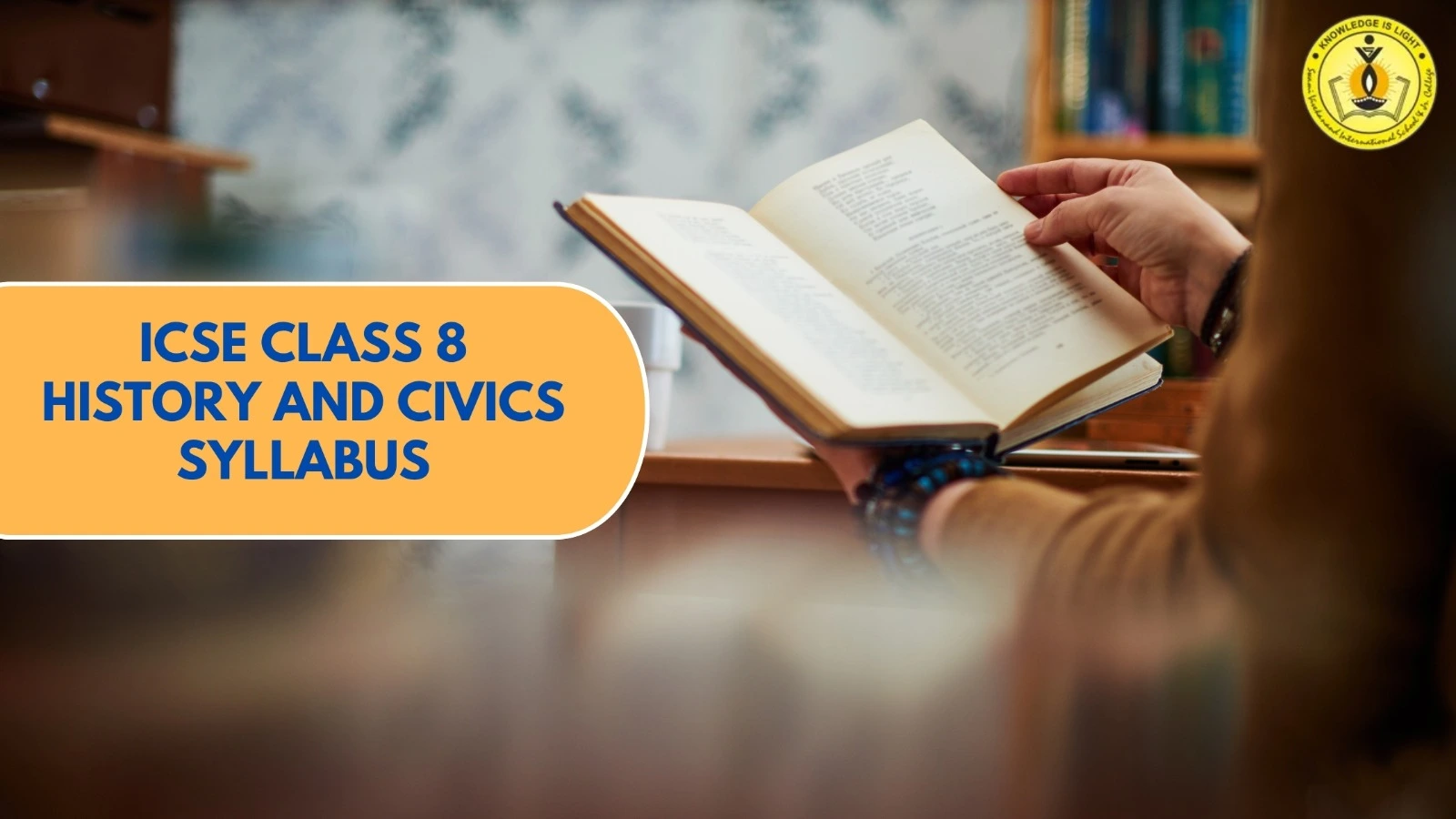
ICSE Class 8 History and Civics Syllabus helps students understand the past, which is important for understanding the world today. Here, we have provided the detailed ICSE Class 8 History and Civics Syllabus. Studying this curriculum will help students learn about historical events, important movements, and civic responsibilities in an organized way. Going through the syllabus carefully will make it easier to start your studies and prepare effectively.
1: What topics are included in the ICSE Syllabus for Class 8 History and Civics?
The ICSE Class 8 History and Civics syllabus usually includes topics like the transition from the Medieval to Modern Age, the Industrial Revolution, imperialism, the growth of nationalism, India in the 18th century, the struggle for freedom, socio-religious reforms, the three organs of the Indian Government, and the United Nations. These topics help students understand historical changes, governance systems, and the role of citizens in society.
2: Why is the ICSE Syllabus for Class 8 History and Civics important for students?
It is important because it helps students develop knowledge of how societies evolved, how governments function, and the contributions of historical movements and reforms. Learning these topics improves analytical thinking, critical reasoning, awareness of civic duties, and appreciation for history and global organizations.
3: How can students prepare effectively for the ICSE Syllabus for Class 8 History and Civics?
Students can prepare well by reading lessons carefully, making timelines and notes for historical events, practising map work, understanding the functions of the government and international organizations, and revising regularly. Relating historical events to modern society and current governance makes History and Civics easier, more interesting, and meaningful.

