- +01 (977) 2599 12
- company@domain.com
- 3146 Koontz Lane, California

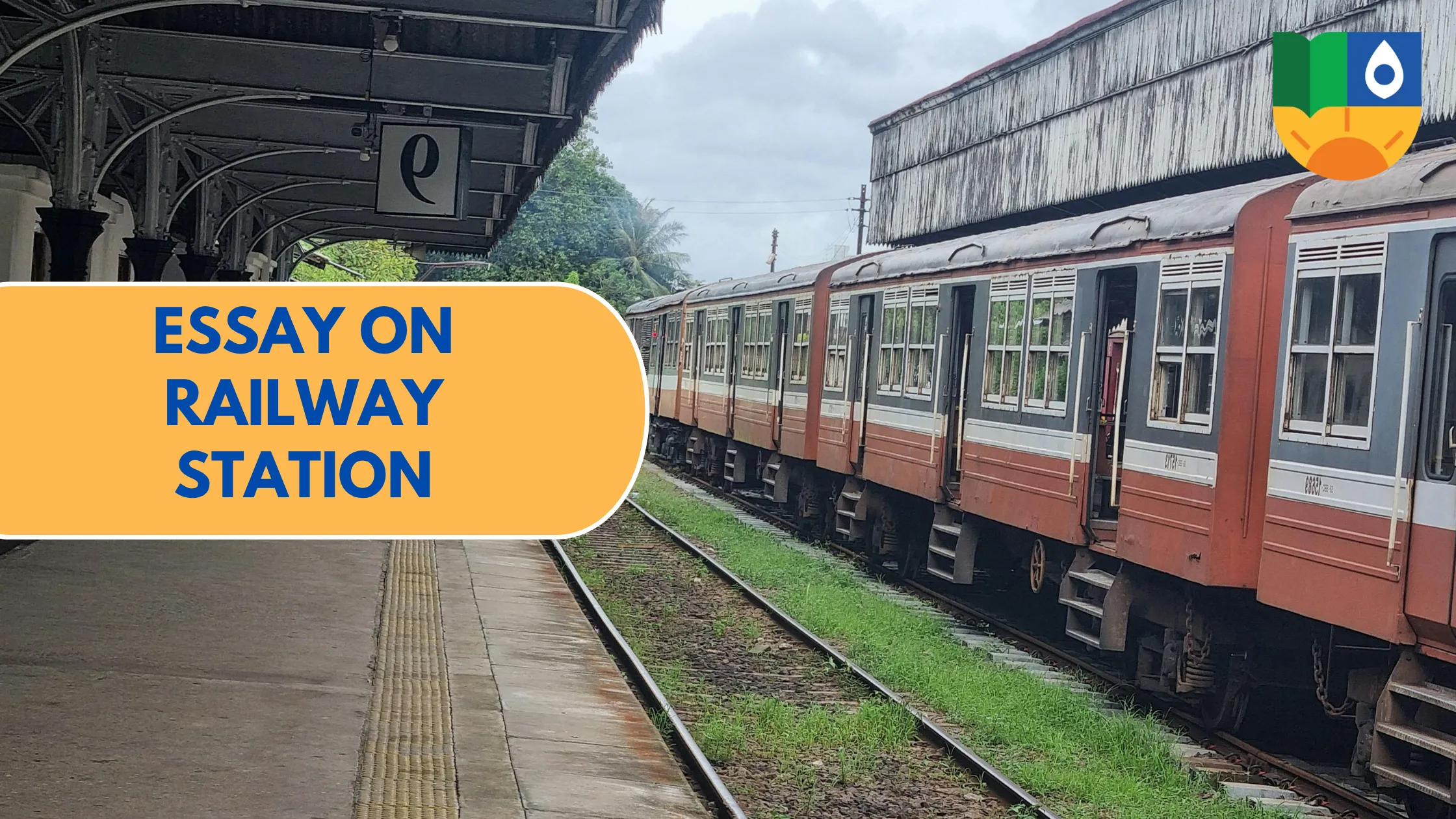
A railway station is a place where trains stop to pick up and drop off passengers and goods. It is one of the busiest public places, where people gather to begin or end their journeys. A railway station usually has platforms, tracks, ticket counters, waiting rooms, food stalls, and announcement systems. When we think of a railway station, we often imagine the sound of train whistles, announcements, passengers carrying luggage, and the hustle and bustle of people moving around.
A railway station serves as an important part of the transportation system. A passenger’s journey begins at one railway station and ends at another. Railway stations have multiple tracks that allow trains to arrive and depart from different platforms. The platforms are slightly elevated to make it easier for passengers to board and exit trains safely.
In recent years, Indian Railways has adopted digital technologies to make travel easier and more convenient. Digitalisation has improved the overall experience of passengers. Today, booking train tickets has become simple through online platforms. Passengers can check train schedules, availability, and status from their mobile phones.
Many railway stations now have digital display boards that show train arrival and departure timings. Automatic ticket vending machines are also installed at several stations. Passengers can order food online and receive it directly at their seats. Free Wi-Fi facilities are available at many railway stations, allowing passengers to stay connected.
Security has also improved with the installation of CCTV cameras at railway stations. Bio-toilets and improved sanitation facilities are introduced to maintain cleanliness. One of the major achievements of Indian Railways is the introduction of modern trains like Vande Bharat, which offer better comfort and faster travel.
Railway stations provide several essential amenities for passengers. These include ticket counters, waiting rooms, food stalls, drinking water facilities, restrooms, and seating arrangements. Many stations also have separate waiting rooms for different classes of passengers.
Railway stations are always lively places where people from different regions gather. Some passengers are seen rushing to catch their trains, while others wait for their loved ones. Porters carry luggage, vendors sell snacks and beverages, and announcements keep passengers informed. Railway police and security personnel are also present to ensure safety and prevent unlawful activities.
Advantages:
Disadvantages:
A railway station is not just a place for transportation but also a place full of emotions and experiences. People come to railway stations to travel to different destinations. Some leave their families for work, while others welcome their loved ones with joy. The railway station reflects the diversity and unity of people. It plays an important role in connecting cities, towns, and villages. Therefore, railway stations remain an essential and lively part of our daily lives.
Q1. What is a railway station?
A railway station is a place where trains stop to pick up and drop passengers and goods. It has platforms, ticket counters, waiting rooms, and other facilities.
Q2. What facilities are available at railway stations?
Railway stations provide facilities such as ticket counters, waiting rooms, food stalls, toilets, drinking water, Wi-Fi, and security services.
Q3. Why are railway stations always busy?

