- +01 (977) 2599 12
- company@domain.com
- 3146 Koontz Lane, California

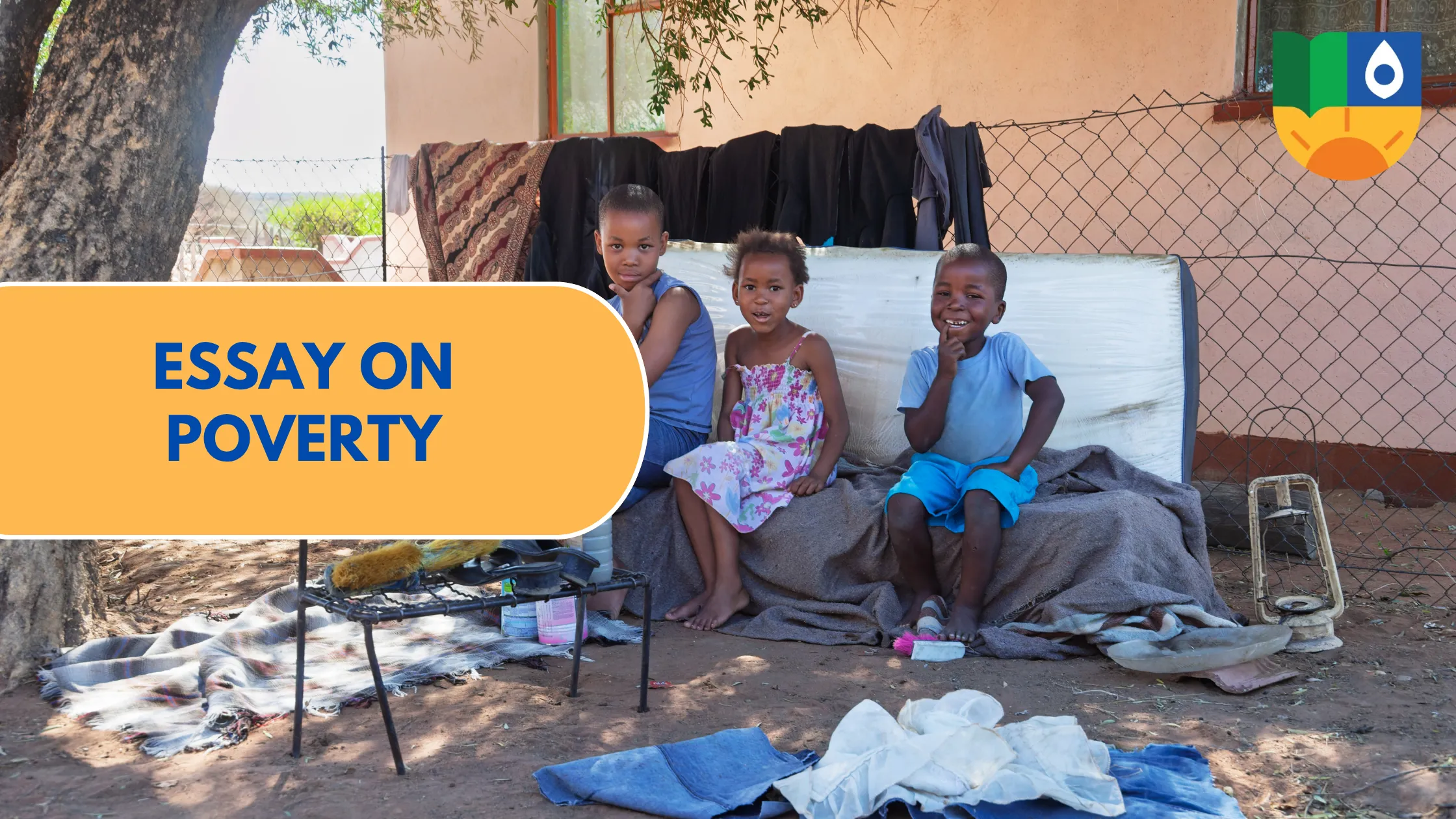
Poverty is one of the major challenges faced by India. It refers to a situation where individuals or families lack sufficient income to meet their basic needs such as food, shelter, clothing, education, and healthcare. People living in poverty struggle to maintain a minimum standard of living. Poverty affects not only individuals but also the overall development of a country.
Poverty in India is a complex issue caused by various social and economic factors. Despite significant progress in development, a large section of the population still lives below the poverty line. Understanding the causes, measurement, and solutions to poverty is essential to eliminate it from society.
There are several reasons behind poverty in India. Some of the major causes include:
Unemployment
Unemployment is one of the main causes of poverty. When people do not have jobs, they cannot earn money to support their families. This leads to poor living conditions and lack of access to basic necessities.
Illiteracy
Lack of education and skills prevents people from getting better job opportunities. Illiteracy keeps people trapped in low-paying jobs, which leads to poverty.
Overpopulation
Rapid population growth increases demand for resources, jobs, and facilities. When resources are limited, many people remain unemployed and poor.
Lack of Education and Training
Proper education and vocational training help individuals develop skills. Without these, people struggle to find employment.
Natural Disasters and Wars
Natural disasters such as floods, droughts, and earthquakes destroy homes and livelihoods. Similarly, wars and political instability also lead to poverty.
Poverty in India is measured using the poverty line. The poverty line represents the minimum income required to meet basic needs such as food, shelter, and clothing. People earning below this level are considered poor.
Government surveys and censuses help determine the number of people living below the poverty line. These measures help the government identify poor populations and create welfare schemes.
The Indian government has taken various steps to reduce poverty. Some of the major efforts include:
1. Mahatma Gandhi National Rural Employment Guarantee Act (MGNREGA)
2. Pradhan Mantri Jan-Dhan Yojana
3. Deen Dayal Antyodaya Yojana
4. Prime Minister’s Rozgar Yojana
5. Various Five-Year Plans
These schemes aim to provide employment, financial assistance, and social security to poor families. They also help improve education, healthcare, and infrastructure.
Education plays an important role in poverty eradication. When people receive proper education and training, they can secure better jobs and improve their living standards. Access to transportation, communication, and public services also helps reduce poverty.
Poverty elimination is not only the government’s responsibility. Citizens must also contribute by spreading awareness, supporting education, and helping the underprivileged. Providing employment opportunities and supporting small businesses can also help reduce poverty.
Poverty is a serious issue that affects the growth and development of India. Eliminating poverty requires joint efforts from the government and citizens. Education, employment opportunities, and proper resource management can help reduce poverty. With collective efforts, India can overcome poverty and ensure a better future for all.
Q1. What is poverty?
Poverty is the condition where people lack basic needs such as food, shelter, education, and healthcare.
Q2. What are the main causes of poverty in India?
Unemployment, illiteracy, overpopulation, and lack of education are the main causes.
Q3. How can poverty be reduced in India?
Poverty can be reduced through education, employment opportunities, and government schemes.

