- +01 (977) 2599 12
- company@domain.com
- 3146 Koontz Lane, California

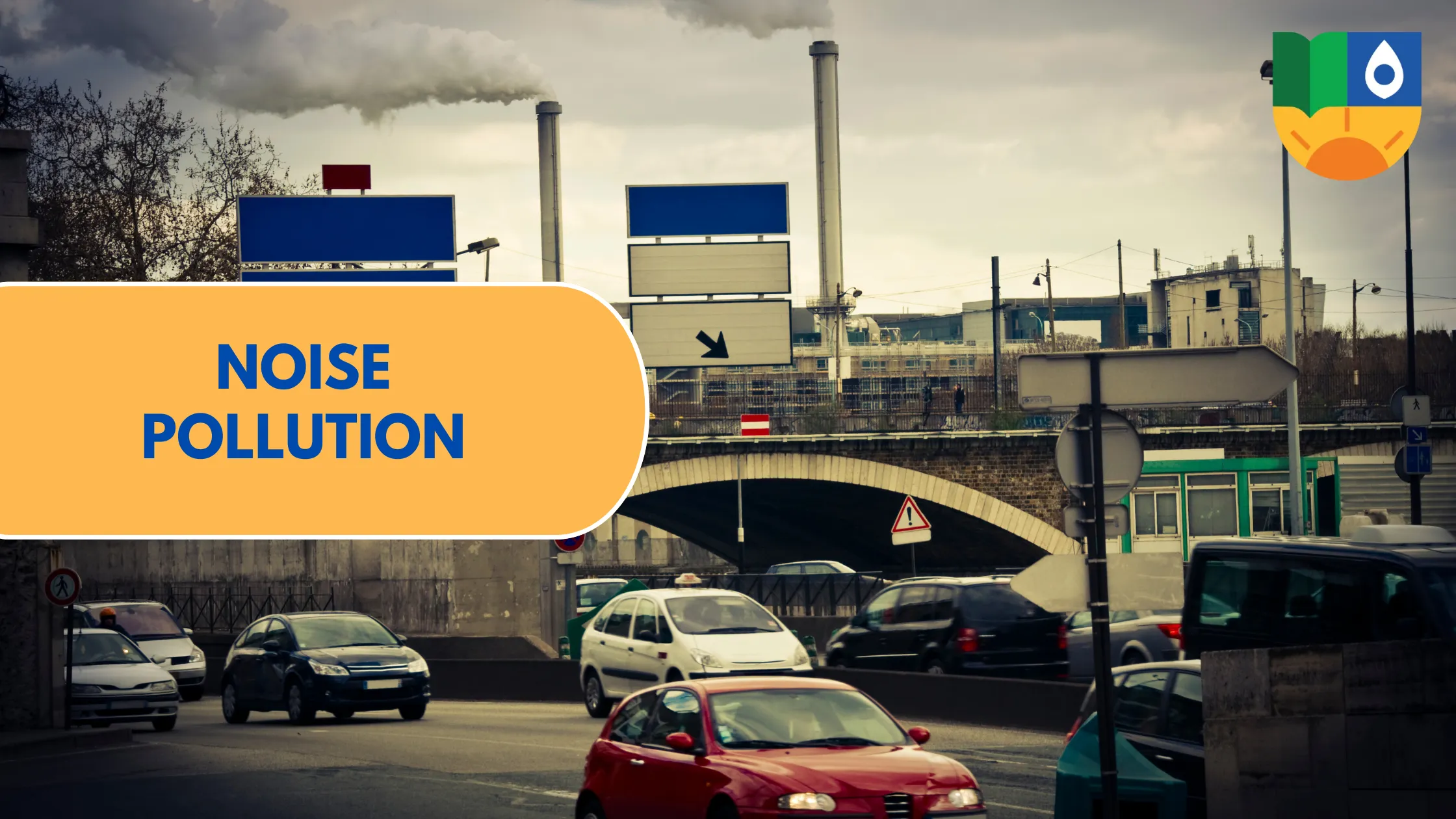
Noise is one of the most undesirable byproducts of modern mechanized life. It refers to unwanted or unpleasant sound produced by human activities such as construction work, industrial operations, and transportation. Noise pollution negatively affects human health and overall well-being and also damages environmental quality. It can disturb people at home, in workplaces, and in communities. Understanding the causes and effects of noise pollution helps us take necessary steps to control it.
Noise pollution refers to excessive or disturbing sound created by people or machines that disrupts normal activities and causes discomfort. It can be annoying, distracting, and sometimes even painful to human ears. Common sources of noise pollution include road traffic, construction machinery, aircraft, industrial equipment, and loud music systems.
The increase in vehicles, rapid urbanization, growing industries, and rising population have significantly contributed to noise pollution. In addition, careless human behaviour, such as the unnecessary use of loudspeakers and pressure horns, also increases noise levels in many areas.
There are several major sources of noise pollution:
Industrial Activities:
Many industries use heavy machinery that produces loud sounds during operation. Equipment such as generators, compressors, grinding machines, and exhaust fans contribute significantly to noise pollution in industrial areas.
Transportation:
Road traffic, trains, and airplanes are major sources of noise pollution. The large number of vehicles on roads creates continuous noise that can harm people’s hearing and cause discomfort in daily life.
Other Sources:
Places such as automobile repair shops, markets, schools, railway stations, and bus stands also contribute to high noise levels. Loud music at social events, weddings, and public gatherings can also increase noise pollution.
Noise pollution can have several harmful effects on human health and the environment. Continuous exposure to loud sounds can lead to hearing loss, especially for workers who operate heavy machinery in factories or near aircraft.
High noise levels near residential areas can disturb people’s sleep and reduce their ability to concentrate. Lack of proper sleep can lead to stress, fatigue, and health problems such as high blood pressure. Noise pollution also interferes with communication and can reduce work efficiency.
In addition to humans, animals are also affected by excessive noise. Loud sounds from vehicles, trains, and aircraft disturb wildlife and marine animals. In some cases, noise pollution can affect reproduction patterns in animals and disrupt their natural behaviour. This disturbance can eventually affect ecological balance.
Noise pollution can be reduced by adopting proper control measures. Governments and communities should take action to reduce excessive noise in public spaces. For example, the use of pressure horns should be restricted, and noise barriers can be installed around hospitals and schools to maintain a peaceful environment.
Individuals can also contribute to reducing noise pollution. Planting trees and maintaining green spaces help absorb sound and reduce noise levels. People should avoid using loudspeakers unnecessarily and keep the volume of music at reasonable levels during events and celebrations.
Governments have introduced several laws and regulations to control noise pollution. These include setting limits on vehicle noise, controlling traffic flow, restricting heavy vehicles in residential areas, and monitoring noise levels in urban environments.
Q1. What is noise pollution?
Noise pollution refers to excessive or unwanted sound that disturbs the normal environment and negatively affects human health and well-being.
Q2. What are the main causes of noise pollution?
Major causes of noise pollution include road traffic, industrial machinery, construction activities, loudspeakers, airplanes, and excessive use of vehicle horns.
Q3. What are the harmful effects of noise pollution?
Noise pollution can cause hearing loss, stress, sleep disturbances, lack of concentration, and health problems such as high blood pressure.
Q4. How can noise pollution be controlled?
Noise pollution can be reduced by limiting the use of loudspeakers, controlling vehicle horns, planting trees, maintaining silent zones near hospitals and schools, and following government noise regulations.

