- +01 (977) 2599 12
- company@domain.com
- 3146 Koontz Lane, California

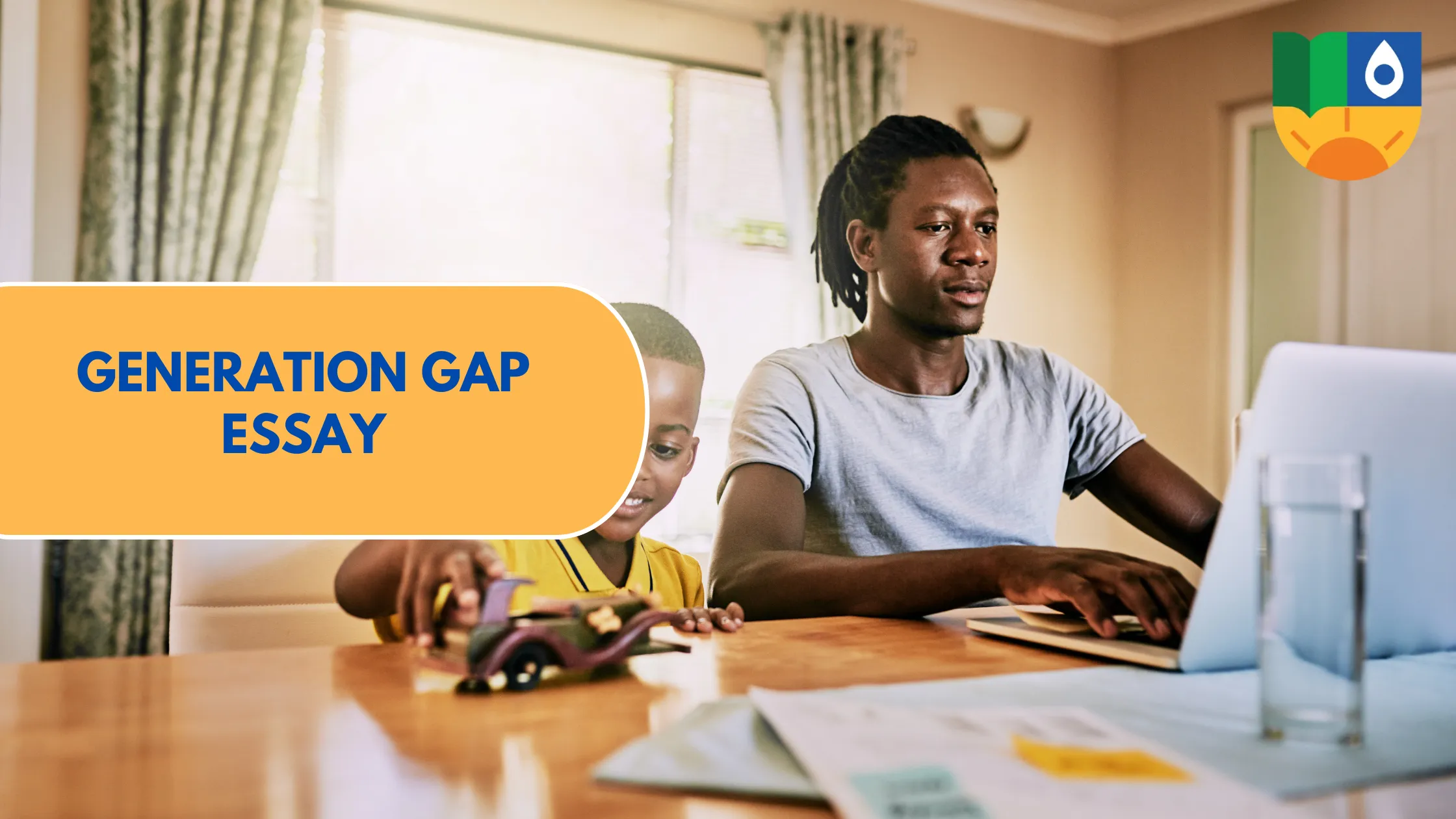
The generation gap refers to the difference in thoughts, beliefs, and attitudes between people of different generations. It often leads to misunderstandings and conflicts, especially between parents and children. This gap can arise due to differences in opinions, lifestyles, cultural values, religious beliefs, and political views.
People from different generations experience different social, cultural, and economic environments while growing up. For example, individuals born before India’s independence lived in very different circumstances compared to the younger generation today. As a result, their thinking, habits, and perspectives may vary significantly. Since the world constantly changes, differences between generations are natural and unavoidable.
Society continues to evolve over time, and with these changes, people’s beliefs, ideologies, and behaviours also change. Many of these changes bring positive developments to society by challenging old stereotypes and encouraging progress. However, these differences can sometimes create conflicts between older and younger generations.
New ideas and changes should always be welcomed because they contribute to growth and development. However, differences in opinions between generations can lead to disagreements. If these disagreements are not handled properly, they may create distance in relationships.
The generation gap is most commonly seen between parents and their children. Parents often prefer to follow traditional customs and expect their children to do the same. On the other hand, the younger generation, influenced by modern thinking and changing lifestyles, may not always agree with these traditions. They prefer to make their own decisions and live life according to their own choices.
When both generations fail to understand each other’s viewpoints, misunderstandings and conflicts may arise. Parents should try not to impose their expectations too strictly on their children, while children should also make an effort to understand their parents’ experiences and concerns.
A generation gap is not simply about the difference in age. It mainly refers to differences in thinking, communication styles, lifestyles, and attitudes toward traditions and culture. Several factors contribute to this gap, including lack of communication, rapid technological advancements, traditional mindsets, and the rise of nuclear families.
In modern times, children and grandparents often spend less time communicating with each other, which increases misunderstandings and widens the generation gap.
1. Improve Communication
Open communication is one of the most effective ways to reduce the generation gap. Children should talk to their parents about their daily lives, feelings, and concerns. Regular conversations help build trust and strengthen relationships.
2. Spend Quality Time Together
Spending time together helps both generations understand each other better. Activities such as watching sports, going for a walk, or sharing hobbies can bring families closer.
3. Share Problems and Seek Guidance
Children should feel comfortable discussing their problems with their parents. Even if parents initially react strongly, they usually provide guidance and support to help solve the issue.
4. Show Appreciation and Care
Small gestures of love and appreciation, such as giving gifts on birthdays, anniversaries, or special occasions like Mother’s Day and Father’s Day, help strengthen emotional bonds.
5. Act Responsibly
When children behave responsibly and maturely, parents feel proud and develop greater trust in them. Understanding responsibilities at an early age helps build mutual respect between generations.
In conclusion, the generation gap arises because society and the world are constantly evolving. While it may not be possible to stop these changes, it is possible to strengthen relationships and reduce misunderstandings.
Mutual respect, open communication, and understanding can help bridge the gap between generations. By appreciating each other’s perspectives and individuality, families can maintain strong and healthy relationships.
Q1. How can the generation gap be reduced?
The generation gap can be reduced by encouraging open communication among family members. Everyone should participate in discussions, respect elders, and calmly explain their viewpoints when differences of opinion arise.
Q2. How should parents and grandparents treat children to avoid generation gaps?
Parents and grandparents should maintain a friendly relationship with children and guide them patiently. They should also involve children in important family discussions and decisions so that they feel valued and included.
Q3. What are the main reasons for the generation gap?
Rapid technological advancements and constant changes in society are major reasons for the generation gap. These developments often lead to differences in thinking, lifestyles, and perspectives between generations.

